Kran cieknie spod wylewki? Oto jak to naprawić w kilka minut!
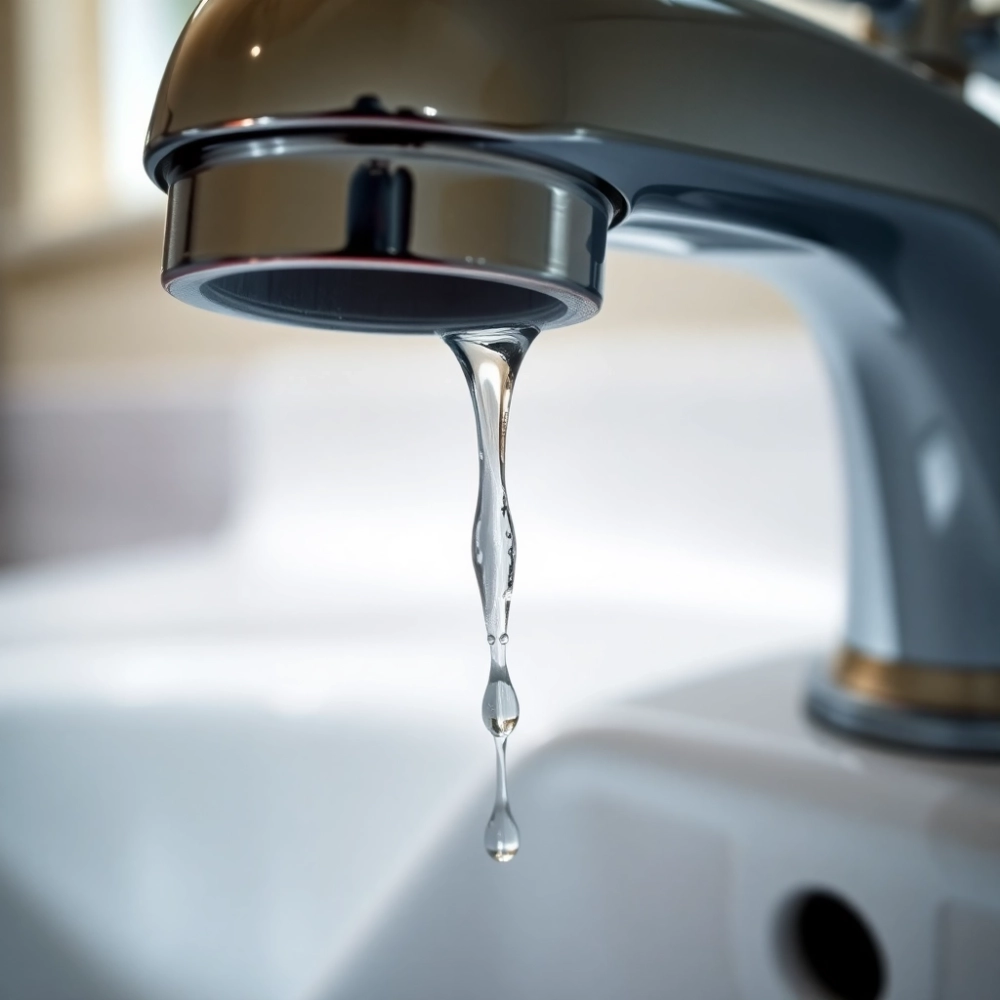
Dripping water from under the kitchen faucet spout-that subtle sound that grows into a steady rhythm at night. It's not just an annoyance; it can silently increase your water bills by dozens of zlotys monthly and leave ugly limescale deposits on the chrome surface. Most importantly, this problem rarely resolves on its own.
- Najczęstsze przyczyny przecieku spod wylewki
- Samodzielna naprawa kranu cieknącego spod wylewki krok po kroku
- Kiedy wymienić wylewkę lub uszczelkę
- Koszty części zamiennych i czas dostawy w 2026
- Kran cieknie spod wylewki Pytania i odpowiedzi
Najczęstsze przyczyny przecieku spod wylewki
The most common cause of a kitchen faucet leaking from under the spout is a worn rubber gasket. This small flat seal, usually located at the junction between the body and the spout, loses its elasticity over months of hot water exposure and constant pressure changes. When the gasket hardens or cracks, water finds its escape route along the path of least resistance-directly under the spout. You may notice only a thin trickle when the tap is fully open, but this can intensify significantly during pressure fluctuations.
Equally frequent is wear on the cartridge, which serves as the main control element in modern mixer taps. This cylindrical component contains ceramic discs or ball mechanisms that regulate water flow. When the sealing surfaces on these discs erode from mineral deposits or simply wear out after years of use, the cartridge can no longer maintain a watertight closure. A damaged cartridge typically causes dripping even when the handle is in the closed position. What many people don't realize is that scale buildup from hard water accelerates this wear process considerably-Polish water in most regions contains significant calcium and magnesium, which act like sandpaper on precision ceramic surfaces.
Corrosion on internal valve seats presents another culprit that often goes unnoticed until the leak becomes obvious. The valve seat is where the rubber washer compresses to stop water flow. If mineral deposits accumulate in this area, or if corrosion eats into the metal surface, the washer cannot form a proper seal. This happens especially in older installations where brass components have been in contact with aggressive water for years. The corrosion creates microscopic gaps that allow water to seep through, and once this process starts, it typically worsens progressively.
Loose connections between individual faucet components also deserve attention. The spout itself attaches to the body via a threaded connection or a quick-connect fitting, and over time, vibrations from daily use and thermal expansion cycles can cause these joints to loosen slightly. While a loose connection might not cause a dramatic leak, it can definitely produce a persistent drip under the spout. High water pressure in the installation compounds this problem-if your home experiences pressure exceeding three bars, the stress on all seals and connections intensifies dramatically, often revealing weaknesses that would remain dormant under normal conditions.
Samodzielna naprawa kranu cieknącego spod wylewki krok po kroku
Before beginning any repair work, shut off the water supply. Look for shut-off valves under the sink-usually two, one for hot and one for cold water. Turn both clockwise until you cannot rotate further. If you don't have these valves, you'll need to close the main water valve for your apartment or house. This step is non-negotiable; opening the faucet without shutting off supply could result in a kitchen flood. Once the water is off, open the tap fully to release any remaining pressure in the lines.
Disassembling the faucet requires accessing the internal components. Start by removing the decorative cap on top of the handle, which is typically press-fitted. Use a flat screwdriver wrapped in tape to avoid scratching the chrome surface, and gently pry it loose. Beneath, you'll find a screw securing the handle-unscrew it and slide the handle off the stem. Next, unscrew the retaining nut that holds the cartridge or valve assembly in place. For cartridge faucets, simply pull the cartridge straight up; for traditional compression faucets, you'll access the stem and its rubber washer.
Inspect the removed components carefully. On the cartridge, look for visible wear on the rubber O-rings and ceramic disc surfaces. Hold the cartridge up to light and check for deep scratches or discoloration indicating material degradation. The rubber washer on the stem should be flexible-if it feels hard or brittle, it definitely needs replacement. Clean any scale deposits from metal surfaces using a soft brush and white vinegar, but avoid aggressive tools that could damage precision surfaces. This cleaning step alone sometimes resolves minor leaks caused by debris preventing proper seal compression.
Replace all worn seals and washers with new components matched to your faucet model. Carry the old parts to a plumbing supply store and match them precisely-manufacturers often use non-standard sizes that differ even between models within the same product line. Install the new cartridge carefully, ensuring it sits perfectly level in its housing. Reassemble in reverse order, tightening each connection firmly but avoiding overtightening, which can damage plastic components or crack ceramic surfaces. Finally, slowly restore water supply while watching for any leaks, and test the tap at various flow settings to confirm the repair was successful.
Kiedy wezwać hydraulika zamiast naprawiać samodzielnie
If after reassembling you still notice dripping from under the spout, the problem likely lies deeper-perhaps in a corroded valve seat that requires grinding or replacement, or in a hairline crack in the faucet body itself. These situations typically indicate that simple part swapping won't solve the issue. Attempting to force repairs without proper diagnosis can damage other components or worsen the underlying condition. A professional plumber can perform pressure tests to pinpoint the exact leak location and has specialized tools to address valve seat problems or body cracks. The cost of professional intervention is usually justified when the alternative is repeated unsuccessful attempts and potential water damage to kitchen furniture.
Kiedy wymienić wylewkę lub uszczelkę
Complete spout replacement becomes sensible when the faucet body shows signs of internal corrosion or cracking. If you notice rust-colored water appearing sporadically even after replacing seals, this usually means the metal body itself is deteriorating from within-seals cannot fix this fundamental problem. Similarly, if the spout has developed a persistent wobble that tightening doesn't resolve, the threaded connection may be stripped or the body mounting area damaged. These structural issues cannot be repaired; they require component replacement to restore proper function.
Modern faucets with ceramic cartridge technology typically last ten to fifteen years with proper maintenance before internal components start failing progressively. If your kitchen mixer is approaching this age and you find yourself replacing washers or cartridges repeatedly, consider whether investing in a new unit makes more sense economically. The cumulative cost of repeated repairs often approaches or exceeds the price of a quality replacement faucet. Additionally, new models offer improved water efficiency-many contemporary designs use aerators that reduce consumption by thirty to forty percent compared to older units, translating to noticeable savings on monthly water bills.
Sometimes replacement is the only viable option due to part availability. Older faucet models gradually disappear from stores as manufacturers discontinue older lines. When the cartridge for your ten-year-old mixer is no longer manufactured, hunting for compatible parts becomes frustrating and expensive. Finding universal replacements that don't fit perfectly often leads to frustrating leaks that resist all your repair attempts. In such cases, accepting that the faucet has reached the end of its service life and choosing a modern replacement saves both time and future headaches.
Koszty części zamiennych i czas dostawy w 2026
Replacement gaskets and washers for standard kitchen faucets cost between five and twenty PLN per piece, depending on quality and manufacturer. A complete gasket set including various sizes typically runs thirty to fifty PLN. Cartridges represent a larger expense-quality replacement cartridges for popular faucet brands range from forty to one hundred twenty PLN. Premium ceramic cartridges from established manufacturers can exceed two hundred PLN, but they offer significantly longer service life and better sealing performance, making the investment worthwhile for frequently-used kitchen taps.
Complete spout replacement units vary widely in price depending on construction quality and design. Basic steel or plastic spouts suitable for economy faucets start around thirty PLN, while brass-bodied professional-grade spouts with ceramic disc controls range from one hundred fifty to three hundred PLN. For those seeking premium solutions, specialized low-flow models with built-in aerators and temperature-limiting mechanisms can cost two hundred to five hundred PLN, though they generate substantial savings over time through reduced water consumption.
Zestawienie kosztów najczęściej wymienianych elementów
| Komponent | Zakres cenowy (PLN) | Trwałość orientacyjna |
|---|---|---|
| Zestaw uszczelek gumowych | 15-50 | 2-4 lata |
| Wkład ceramiczny (cartridge) | 45-250 | 5-10 lat |
| Uszczelka pod wylewką | 5-25 | 2-3 lata |
| Kompletny zawór kulowy | 30-80 | 4-6 lat |
Most suppliers offer delivery within twenty-four hours for orders above two hundred PLN, with standard shipping taking two to five business days for smaller orders. Return policies typically allow fourteen days for unused parts in original packaging, though it's wise to verify specific conditions at your chosen supplier. Purchasing locally has advantages-you can examine components physically before buying and get immediate help if the part doesn't fit your model. Online retailers often have broader selections and better prices, but you risk incompatibility if you're uncertain about exact specifications.
When selecting replacement parts, prioritize quality over lowest price. Bargain basement components often use inferior rubber compounds that degrade rapidly under hot water exposure, forcing you to repeat repairs within months. Spending slightly more on components from established manufacturers typically results in longer service intervals and fewer frustrations. If you're unsure which part you need, take the old component to the store-holding the original next to potential replacements makes matching much simpler than trying to describe measurements verbally.
Kran cieknie spod wylewki Pytania i odpowiedzi
Dlaczego kran cieknie spod wylewki?
Kran cieknie spod wylewki najczęściej z powodu zużytych uszczelek, zużytego wkładu (cartridge), nagromadzenia kamienia, korozji, uszkodzonego zaworu lub zbyt wysokiego ciśnienia wody. Każdy z tych elementów może z czasem stracić szczelność, co powoduje przeciek wody pod wylewką.
Jakie elementy kranu najczęściej odpowiadają za przeciek pod wylewką?
Typowy kran składa się z około 15 mniejszych i większych części uszczelki, wkład (cartridge), korpus, zawór, sitko, wylewka itp. Najczęściej zużyte uszczelki i wkład są przyczyną przecieku, ale również kamień osadzony na elementach może blokować prawidłowe zamknięcie zaworu.
Jak krok po kroku naprawić przeciek spod wylewki samodzielnie?
Postępowanie jest następujące: 1. Wyłącz dopływ wody do kranu (zawór pod zlewem). 2. Zdejmij wylewkę i odkręć korpus, aby dostać się do uszczelek i wkładu. 3. Zbadaj stan uszczelek jeśli są zużyte, wymień je na nowe. 4. Jeśli wkład jest zużyty lub zardzewiały, wymień go na nowy. 5. Po wymianie zamontuj kran z powrotem i włącz dopływ wody. 6. Sprawdź szczelność jeśli przeciek ustaje, naprawa zakończona.
Ile kosztują części zamienne i jak szybko można je otrzymać?
Części zamienne do kranów, takie jak uszczelki czy wkłady, kosztują od około 200 zł za komplet. Sklepy oferują dostawę w ciągu 24 godzin, a przy zakupie można skorzystać z polityki zwrotu w ciągu 14 dni.
Jakie są skutki nieszczelności kranu dla domowego budżetu i środowiska?
Przeciekający kran może zwiększyć rachunki za wodę nawet o kilkaset złotych rocznie, a jednocześnie marnuje wodę, co ma negatywny wpływ na środowisko. Dodatkowo wilgoć pod zlewem sprzyja rozwojowi pleśni i pogorszeniu estetyki kuchni.
Kiedy warto wezwać hydraulika zamiast samodzielnej naprawy?
Jeśli po wymianie uszczelek i wkładu przeciek nadal występuje, może to oznaczać poważniejszą usterkę korpusu lub rury. W takiej sytuacji lepiej wezwać fachowca, który dokładnie sprawdzi instalację i ewentualnie zdecyduje o wymianie całego kranu.